
Views: 0 Author: Site Editor Publish Time: 2025-12-05 Origin: Site


Why does a tiny change in wheel shape cause big grinding errors? Why can a small angle shift ruin a perfect part? These questions matter in every precision shop. This article explores how a wheel dresser protects accuracy. It explains how the right tool restores shape, improves cutting, and stabilizes grinding. It also shows why Nazai Intelligence focuses on smarter dressing choices. In this guide, you will learn how to choose the right auxiliary tool, how different dressers affect shape and angle, and how to avoid common grinding problems.
Choosing the right wheel dresser is essential for maintaining wheel geometry, controlling angles, and achieving repeatable precision in grinding.
Dressing parameters such as traverse speed, contact condition, and dresser type shape the wheel’s cutting behavior and strongly affect tool life and surface finish.
Different grinding applications—such as form grinding, chamfering, and rough grinding—require different auxiliary tools to maintain stability and avoid part defects.
Machine horsepower, coolant strategy, abrasive type, and wheel hardness influence how the dresser interacts with the wheel surface.
Nazai Intelligence integrates data-driven control, automated dressing cycles, and tool-selection guidance to help manufacturers reduce scrap, prevent burning, and keep grinding operations stable.

Truing restores the wheel’s geometry, ensuring concentricity and accurate angular alignment. It is used when the wheel develops runout, flat spots, or loses its intended profile. The process realigns the wheel with the spindle axis so grinding forces remain consistent across the contact zone. Dressing, on the other hand, opens the wheel surface by removing dull abrasive grains and metal loading. This exposes fresh cutting points and reduces friction during grinding, which directly improves cutting efficiency. At Nazai Intelligence, automated dressing ensures both truing and dressing occur at optimal intervals, enabling consistently sharp wheels for continuous operations.
Shape control becomes necessary when contour wheels lose their intended geometry, commonly seen in form grinding or when grinding radii and grooves. Angle correction is essential for chamfers, bevels, and V-grooves where even small deviations cause dimensional drift. Operators should look for early symptoms such as tapered faces, rolling edges, or inconsistent reference angles. Recognizing whether the issue relates to shape or angle ensures the correct type of wheel dresser is chosen for the job. Nazai Intelligence systems use sensor feedback to detect such deviations early, helping teams take corrective action before defects appear.
| Issue Type | Typical Symptoms | Required Action | Best Tool Type |
|---|---|---|---|
| Shape distortion | Rounded edges, profile drift | Full truing | Rotary or single-point dresser |
| Angle deviation | Chamfer drift, V-groove shift | Angle correction | Single-point |
| Surface loading | Burn marks, high friction | Light dressing | Dressing stick / multi-point |
| Inconsistent contact | Vibration, chatter marks | Concentricity correction | Truing with diamond tools |
The dressing approach influences cutting sharpness, heat distribution, and grinding forces. An open wheel structure increases chip removal and reduces burn risk, while a closed structure pushes the wheel toward finer finishing work. Wheel life is closely tied to how frequently and how deeply the wheel is dressed. Using the wrong dresser may cause premature wear, loading, or even structural damage. Nazai Intelligence helps users optimize these factors through digital grinding-parameter recommendations that balance wheel life and consistency.
Coarse wheels often require fast-traverse dressing to maintain an open cutting surface. Fine wheels, especially those used for precision finishing, need slower dressing with small, sharp diamonds. Bond type influences how abrasive grains fracture; vitrified wheels respond differently from resin-bond wheels. Materials such as carbide, steel, or ceramics each require adjustments to dresser selection. With Nazai Intelligence’s data analytics, users receive automatic guidance on optimal tools based on their wheel specification.
| Workpiece Material | Wheel Type | Dressing Requirement | Recommended Dresser |
|---|---|---|---|
| Hardened steel | AlO / CBN | Sharp, consistent edges | Single-point or rotary |
| Carbide | Diamond wheel | Precise geometry | Rotary dresser |
| Cast iron | SiC | Aggressive removing | Multi-point |
| Aluminum | Soft AlO | Avoid loading | Light dressing stick |
Traverse speed determines whether the wheel surface becomes open or closed. Fast dressing produces a coarse, free-cutting wheel ideal for heavy stock removal. Slow dressing compresses the wheel face, allowing finer finishes and more accurate angle control. Contact pressure also affects grain fracture; a smaller dresser contact area increases pressure and sharpens the wheel more aggressively. At Nazai Intelligence, advanced control systems adjust traverse speed automatically based on the part’s finish requirements.
High-horsepower machines benefit from harder dressers that withstand increased grinding forces. Low-horsepower machines require softer dressers to avoid excessive force that may damage the wheel. Coolant changes how vitrified and resin-bond wheels behave, often softening the cutting action and improving grain exposure. Wheel speed also modifies perceived wheel hardness—fast speeds make wheels act harder, slower speeds make them act softer. These variables are integrated into Nazai Intelligence’s automated dressing models to ensure stability.
Mounting angle determines the performance of single-point diamond dressers. The recommended 10–15° tilt prevents the diamond from digging into the wheel and reduces vibration. Correct alignment ensures the wheel face remains flat and angles remain geometrically stable. Poor alignment can quickly damage both the wheel and the dresser. Nazai Intelligence includes guided calibration routines that simplify dresser alignment for operators at all skill levels.
Single-point dressers provide exceptional accuracy for angle and form control. Their sharp diamond tip makes them ideal for generating precise chamfers and restoring detailed wheel geometry. Diamond size usually ranges from 0.25 to 1.0 carat depending on the wheel size, allowing fine adjustments for different grinding applications. They must be rotated frequently to maintain sharpness. At Nazai Intelligence, single-point tools are used in many automated truing routines for profile-critical grinding.
Multi-point dressers embed multiple diamonds into a metal matrix for a self-sharpening effect. They are excellent for fast dressing operations where consistency is more important than ultra-fine accuracy. Their long service life—often up to 10 times that of a single-point dresser—makes them ideal for rough grinding or large-area dressing. Many Nazai Intelligence production systems rely on multi-point dressers for heavy-duty applications.
| Dresser Type | Accuracy | Lifespan | Best Application | Notes |
|---|---|---|---|---|
| Single-point | Very high | Medium | Precision angle/form | Requires rotation |
| Multi-point | Medium | Very high | Rough / high-volume | Self-sharpening |
| Rotary | Extremely high | Extremely high | CNC & profiling | High cost |
| Star dresser | Low | Medium | Bench grinders | Mechanical cutting |
| Dressing stick | Very low | Low | Light cleaning | Not for shaping |
Rotary dressers are the preferred solution for complex forms, CNC processes, and high-volume production. Their rotating surface replicates intricate shapes with exceptional consistency. Although they require higher initial investment, they significantly reduce cycle time and geometry drift. Nazai Intelligence frequently integrates rotary dressers into automated grinding cells where repeatability is critical.
Star dressers use rotating steel cutters to fracture grains on coarse wheels. They are ideal for bench grinders, pedestal grinders, and foundry applications. While not suited for precision work, they provide quick and economical surface renewal. Many workshop-level Nazai Intelligence products include star dresser compatibility for basic maintenance operations.
Dressing sticks made of silicon carbide offer a simple method for cleaning loaded wheels. They do not restore geometry but are useful for refreshing fine wheels used in finishing tasks. Their low cost and ease of use make them popular in manual grinding environments.
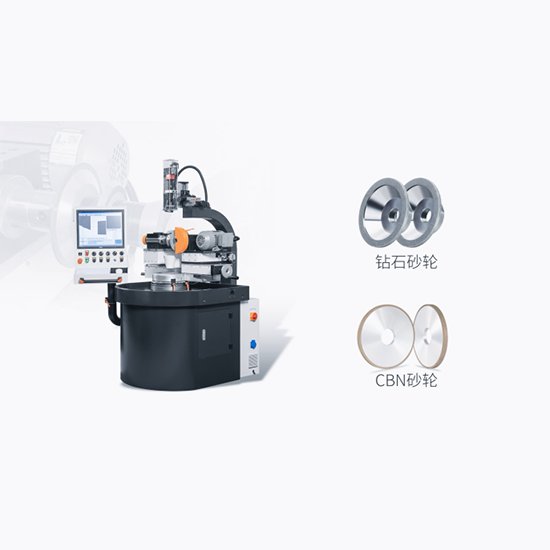
Different abrasive grains require different dresser approaches. Aluminum oxide works well with single-point or multi-point tools. Silicon carbide pairs effectively with diamond dressers. CBN and diamond wheels demand rotary dressers for best performance. Nazai Intelligence provides automated recommendations through cloud-linked databases to match abrasive grain to dressing strategy.
Coarse-grit wheels require more aggressive dressers such as multi-point or star dressers. Fine-grit wheels benefit from slower, precise diamond dressing. Bond hardness influences how grains fracture, so dresser stiffness must be aligned with wheel structure. Nazai Intelligence systems evaluate these variables in real time to optimize grinding stability.
Soft wheels require harder dressers to maintain shape during heavy grinding. Hard wheels need sharp diamonds to penetrate the surface effectively. Choosing incorrectly may lead to dressing inefficiency or rapid tool wear. Many Nazai Intelligence production lines use hardness-based auto-selection algorithms.
Straight wheels accept most types of dressers. Tapered wheels often require multi-point dressers. Profiled wheels depend heavily on rotary dressers to maintain form over long cycles. Nazai Intelligence supports full 3D wheel-profile mapping for complex shapes.
Form grinding demands strict geometry retention. Rotary dressers or single-point diamonds deliver the best repeatability. Companies using Nazai Intelligence systems often see dramatic reductions in scrap from complex profiles.
Chamfers and V-grooves need stable angles throughout production. Single-point dressers allow operators to precisely control angle location. Nazai Intelligence enhances this with automated offsets and compensation algorithms.
Rough grinding benefits from multi-point or star dressers that open the wheel aggressively. These tools prevent glazing and improve material removal rates. Nazai Intelligence integrates wear monitoring to ensure consistent performance over long cycles.
Fine finishing depends on tight control of scratch patterns and wheel sharpness. Fine-grit single-point dressers offer the best control. Resin-bond wheels may require more frequent light dressing. Nazai Intelligence provides predictive maintenance to maintain surface quality.
Traverse speed determines how open or closed the wheel structure becomes. Fast speeds help rough grinding, while slow speeds increase surface finish quality. Adjustments must be calculated carefully to avoid overheating. Nazai Intelligence offers automated profiles based on part type, ensuring consistent results.
Correct mounting prevents vibration and improves diamond life. A tilt of 10–15° is recommended for single-point tools. Incorrect angles cause early wear and geometry drift. Nazai Intelligence includes digital alignment aids so operators can verify angle accuracy quickly.
Coolant reduces friction and modifies grain behavior, making vitrified wheels act slightly softer. This enhances cutting sharpness and lowers grinding forces. The right coolant flow prevents burn and stabilizes geometry. Nazai Intelligence measurement modules monitor coolant delivery to maintain optimal conditions.
Dresser wear leads to inaccurate shapes, poor angles, and surface defects. Single-point diamonds must be rotated regularly to maintain a clean point. Multi-point tools also require inspection to ensure uniform exposure. Nazai Intelligence uses sensor-based monitoring to predict tool replacement intervals.
| Tool Type | Initial Cost | Productivity Impact | Typical User |
|---|---|---|---|
| Single-point | Low | High in precision work | Mold shops |
| Multi-point | Medium | High in roughing | Foundries, machine shops |
| Rotary | High | Extremely high | Automotive & aerospace |
| Star dresser | Very low | Low | Maintenance workshops |
| Dressing stick | Very low | Minimal | Light grinding |
This comparison helps teams assess long-term ROI, especially when scaling production with Nazai Intelligence automation.
This issue often comes from a dresser that is too soft or traverse speeds that are excessively high. Another possibility is that the wheel grade is too soft for the operation. Nazai Intelligence diagnostic algorithms quickly identify these issues and provide optimized parameter suggestions.
Incorrect diamond alignment or improper dressing angle causes the wheel to produce inconsistent angles. Machine vibration may also contribute. Nazai Intelligence’s real-time correction system helps stabilize angle control automatically.
Burning occurs when wheel structure becomes too closed or dressing is too shallow. Increasing dressing aggressiveness or adjusting coolant flow helps mitigate burn. Nazai Intelligence heat-pattern analysis offers predictive alerts to prevent burn-related defects.
Rapid wear suggests a mismatch between wheel hardness and dresser durability. Using the wrong diamond size or applying too deep a cut may accelerate wear. Nazai Intelligence recommends optimized dresser configurations to extend tool life.
A wheel dresser is essential for grinding accuracy and long tool life. It helps teams keep stable geometry and sharp cutting action. Correct tool selection also reduces scrap and prevents heat damage. It keeps angles consistent and supports precision work across tasks.
By understanding wheel types and dressing needs, operators avoid errors. They gain better finishes and more predictable performance in production. With solutions from NAZAI INTELLIGENCE, users access automated monitoring. They also gain optimized dressing cycles and data-driven control features. These advantages improve grinding stability and long-term productivity. Choosing the right auxiliary tool means choosing reliable, high-quality results every time.
A: A wheel dresser restores geometry and keeps angles accurate during grinding.
A: Select a tool that matches your wheel type, grit, and accuracy needs.
A: The wrong tool changes wheel shape and causes angle drift.
A: Replace it when cuts feel dull or angles become inconsistent.
A: A rotary wheel dresser offers the most precise form control.


