
Views: 0 Author: Site Editor Publish Time: 2025-12-03 Origin: Site


Have you ever wished one tool could cut and grind at once? Many industries face this challenge every day. A combined grinding wheel offers a simple answer. These wheels shape, cut, and smooth metal with ease. They work fast and stay efficient when paired with a Grindstone dresser. In this article, you’ll learn what makes combined grinding wheels unique. You’ll also see how they differ from regular wheels and why they save time. By the end, you’ll understand how they work and where they fit in modern industry.
Combined grinding wheels allow both grinding and cutting in one tool.
They improve efficiency by reducing the need for multiple tools.
Regular dressing with a grindstone dresser ensures continued performance and tool longevity.
Choosing the right combined grinding wheel involves understanding grit, bond type, and application-specific needs.
These wheels are used across industries such as metal fabrication, automotive, aerospace, and tool sharpening.
Grinding wheels are engineered tools made up of abrasive grains that perform the actual cutting and grinding tasks. These grains are held together by a bond, which provides structural integrity. The bond type can vary depending on the grinding task—vitrified bonds are ideal for precise grinding, while resin bonds allow for faster stock removal. Additionally, many grinding wheels feature fiberglass reinforcement to ensure stability and strength, especially under high-pressure conditions. The grit size of a wheel refers to the size of the individual abrasive particles, and it plays a crucial role in determining the wheel's performance. Coarse grit wheels are best for rapid stock removal, while fine grit wheels are used for finishing and polishing.
For example, coarse-grit grinding wheels are typically used in heavy material removal applications, such as grinding welds or shaping rough surfaces. On the other hand, fine-grit wheels are more suitable for delicate operations, where the goal is to achieve a smooth, polished surface. The bond and grit size, in combination with the material being ground, determine how effective a wheel will be for a specific job.
Grinding wheels come in a variety of shapes and sizes, each tailored to specific types of grinding tasks. Some common types include Type 1, Type 27, and Type 28. These types differ in shape, with Type 1 wheels being straight and used for general grinding, Type 27 wheels featuring a depressed center for angled grinding, and Type 28 wheels being concave for grinding at low angles. These designs are optimized for different angles and applications, ensuring that operators can select the appropriate wheel for their specific needs.
The Type 27 wheels are the most common and versatile, often used in industries requiring quick stock removal at various angles. In contrast, Type 28 wheels are designed for finer, more detailed grinding tasks, especially when access to tight corners or fillets is necessary. These specialized designs enhance efficiency and precision, ensuring high-quality finishes in diverse industrial tasks.
Grinding wheels are used in various industries where high-precision and material removal are required. In metalworking, these wheels are critical for shaping and sharpening tools, removing metal from workpieces, and smoothing rough surfaces. Automotive industries use grinding wheels to refine engine parts, gears, and braking systems, ensuring optimal performance. Similarly, tool sharpening relies heavily on grinding wheels to maintain sharp edges on cutting tools, such as drills, blades, and saws.
Apart from the metalworking sector, grinding wheels are also integral in aerospace manufacturing, where they are used to grind turbine blades, airplane components, and other high-precision parts. Their ability to deliver both fine finishes and rapid material removal makes them indispensable in the creation of high-quality products.
A combined grinding wheel is a type of wheel that integrates the capabilities of both grinding and cutting. Unlike traditional grinding wheels, which are designed solely for grinding, combined grinding wheels enable the user to perform both functions without having to change tools. This dual functionality is particularly useful in applications where both operations are required on the same workpiece, such as cutting through metal and simultaneously grinding the surface. The ability to combine both processes into one tool not only saves time but also reduces tool wear, as it minimizes the need for tool changeovers during operations.
Combined grinding wheels are typically constructed with a mixture of abrasive grains and bonding agents that allow the wheel to perform efficiently in both grinding and cutting tasks. This versatility makes them highly effective for tasks such as cutting through tough metals and shaping materials in a single step. These wheels are especially valuable in environments where quick transitions between operations are critical, such as metal fabrication and machining.
| Efficiency | By eliminating the need for multiple tools, combined grinding wheels streamline the grinding and cutting process, increasing productivity. |
| Cost Savings | Using a single wheel for both functions reduces the need for tool replacements and maintenance, lowering overall operational costs. |
| Time Savings | Combining grinding and cutting reduces downtime since workers don’t have to switch tools or setups between tasks. |
| Increased Versatility | These wheels can be used for a wide range of applications, from rough grinding to detailed cutting, making them highly versatile. |
Combined grinding wheels are designed with specific features that make them suitable for both grinding and cutting. They typically incorporate strong abrasive grains, such as zirconia alumina or ceramic alumina, which are ideal for high-pressure grinding tasks. These grains provide the cutting power needed for tough materials, while also being durable enough to withstand the wear and tear from grinding operations. The bonding agents used in combined grinding wheels, such as resin or vitrified bonds, ensure the wheel retains its shape and performance under demanding conditions.
In addition, combined grinding wheels feature a blended composition, which allows them to provide the right balance of cutting aggressiveness and smooth grinding. This balanced performance ensures that operators can achieve clean cuts without sacrificing the finish quality of the workpiece.
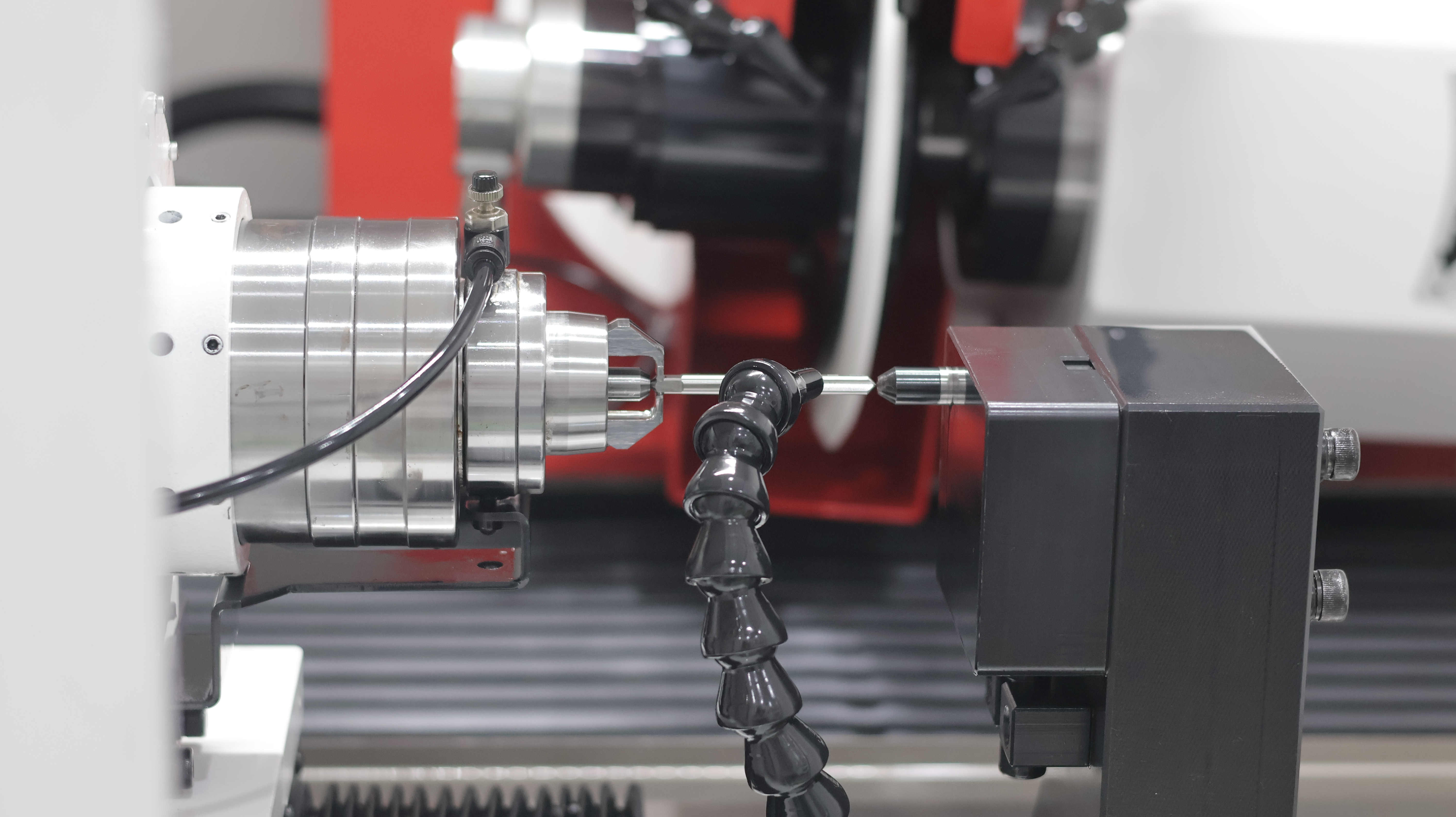
Combined grinding wheels operate on the principle of abrasive grain action, where the grains work to cut through the material while simultaneously grinding it. The abrasive grains on the surface of the wheel cut through the material to create a clean break, while the entire wheel surface works to smooth out any rough edges or finishes. This dual-action is facilitated by the specific bonding material used, which allows the wheel to maintain its structure while performing both tasks efficiently.
This mechanism allows operators to grind and cut simultaneously, which reduces the need for multiple wheel changes during operations. As the wheel wears down, fresh abrasive grains are exposed, ensuring continuous cutting and grinding without interruption.
The materials used in combined grinding wheels are crucial for their dual-purpose functionality. Zirconia alumina is commonly used for its self-sharpening properties and durability, making it ideal for cutting hard metals. Similarly, ceramic alumina grains are favored for their strength and ability to maintain sharpness over long periods of use. These materials ensure that the wheel can perform both grinding and cutting with minimal wear.
In some combined wheels, diamond grains are included for high-performance cutting, particularly when dealing with materials such as concrete, ceramics, or non-ferrous metals. These materials are incredibly tough and provide superior cutting efficiency, especially when dealing with very hard materials.
| Vitrified Bonds | These are strong, rigid bonds ideal for precision grinding tasks, offering high strength and a long-lasting wheel life. |
| Resin Bonds | Resin bonds are more flexible, allowing for faster stock removal, making them suitable for aggressive cutting and grinding operations. |
| Rubber Bonds | Rubber bonds are used when smooth finishes are required. They offer a superior finish and are effective in high-speed grinding tasks. |
A grindstone dresser is a tool used to maintain and restore the surface of grinding wheels. It removes debris, reshapes the wheel, and ensures that it maintains its sharpness over time. Regular dressing is essential to prevent clogging, which can cause the wheel to lose its efficiency and heat up, potentially damaging both the wheel and the workpiece.
For combined grinding wheels, dressing is particularly important as it helps maintain the wheel’s dual functionality. Without proper dressing, the wheel may become uneven, leading to poor cutting performance and reduced material removal rates. Dressing tools are available in both manual and powered versions, each suited to different operational needs.
Regular dressing is crucial for combined grinding wheels to ensure that both the grinding and cutting surfaces remain sharp and efficient. Over time, as the wheel is used, the abrasive grains wear down, and the cutting surface becomes clogged with material. This clogging can result in reduced cutting and grinding performance, leading to longer process times and subpar results.
Regular dressing restores the wheel’s cutting ability by removing clogged debris and exposing fresh abrasive grains. It also helps to maintain the geometry of the wheel, ensuring that it continues to perform both grinding and cutting functions at their best.
| Manual Dressers | These are typically handheld tools that allow operators to manually reshape and clean the wheel. They are effective for precision work but require more time and effort. |
| Power Dressers | These are automated tools that provide consistent results with minimal effort. Power dressers are ideal for high-volume operations and reduce operator fatigue. |
In metal fabrication, combined grinding wheels are used to cut through thick metal and simultaneously grind the surface smooth. These wheels are perfect for tasks such as cutting metal pipes or grinding welds, where both processes are required.
For tool sharpening, combined grinding wheels help maintain the sharpness of cutting tools by providing both cutting and grinding actions. This is essential in maintaining the efficiency of tools used in manufacturing, woodworking, or machining industries.
In the automotive and aerospace industries, combined grinding wheels are used for cutting and grinding metal parts such as gears, turbine blades, and engine components. These industries require high precision and fast operations, making combined grinding wheels the ideal tool for these tasks.
When selecting a combined grinding wheel, consider factors like wheel size, grit, bond type, and material compatibility. The right combination of these factors will ensure optimal performance for your specific application.
Matching the right grindstone dresser to your wheel type is essential for maintaining wheel efficiency. Choose a dresser that suits the wheel’s hardness and the material you are working with. For example, harder wheels may require more aggressive dressing tools, while softer wheels may need a gentler approach.
To achieve maximum efficiency, regularly maintain your grinding wheel using appropriate dressing techniques. Select the right wheel size, grit, and bond type for your specific application to ensure optimal results.
Combined grinding wheels offer a fast and flexible way to cut and grind with one tool. Their dual-purpose design improves workflow, reduces tool changes, and supports consistent results across different materials. When paired with a reliable grindstone dresser, these wheels stay sharp and stable, helping teams boost efficiency and lower operating costs. They are valuable in metalworking, automotive, and aerospace settings where precision matters. NAZAI INTELLIGENCE provides advanced solutions in this field, delivering equipment designed for accuracy and long-term performance. Its products help users achieve better grinding results and support high-quality production in demanding environments.
A: It is a wheel that can cut and grind in one tool, improving speed and efficiency. A Grindstone dresser helps keep it sharp.
A: It reduces tool changes and saves time during metalwork. A Grindstone dresser maintains its performance.
A: Clean and dress the wheel often to remove debris. A Grindstone dresser restores its cutting surface.
A: It works on steel, alloys, and hard metals while staying efficient when dressed with a Grindstone dresser.


